
High-tech accessories demand thoughtful care, especially when they combine cutting-edge technology with daily wearability. The Apple Watch stands at the intersection of design and function, integrating sensitive electronic components within a compact, water-resistant shell. As ultrasonic cleaners rise in popularity for their efficiency in restoring brilliance to jewelry and dental tools, many users naturally consider them a convenient solution for maintaining their watch accessories. However, treating a complex device like the Apple Watch requires more than a one-size-fits-all approach. The challenge lies in understanding how ultrasonic energy interacts with such intricate hardware and choosing methods that prioritize both cleanliness and preservation.
How Ultrasonic Cleaners Actually Work
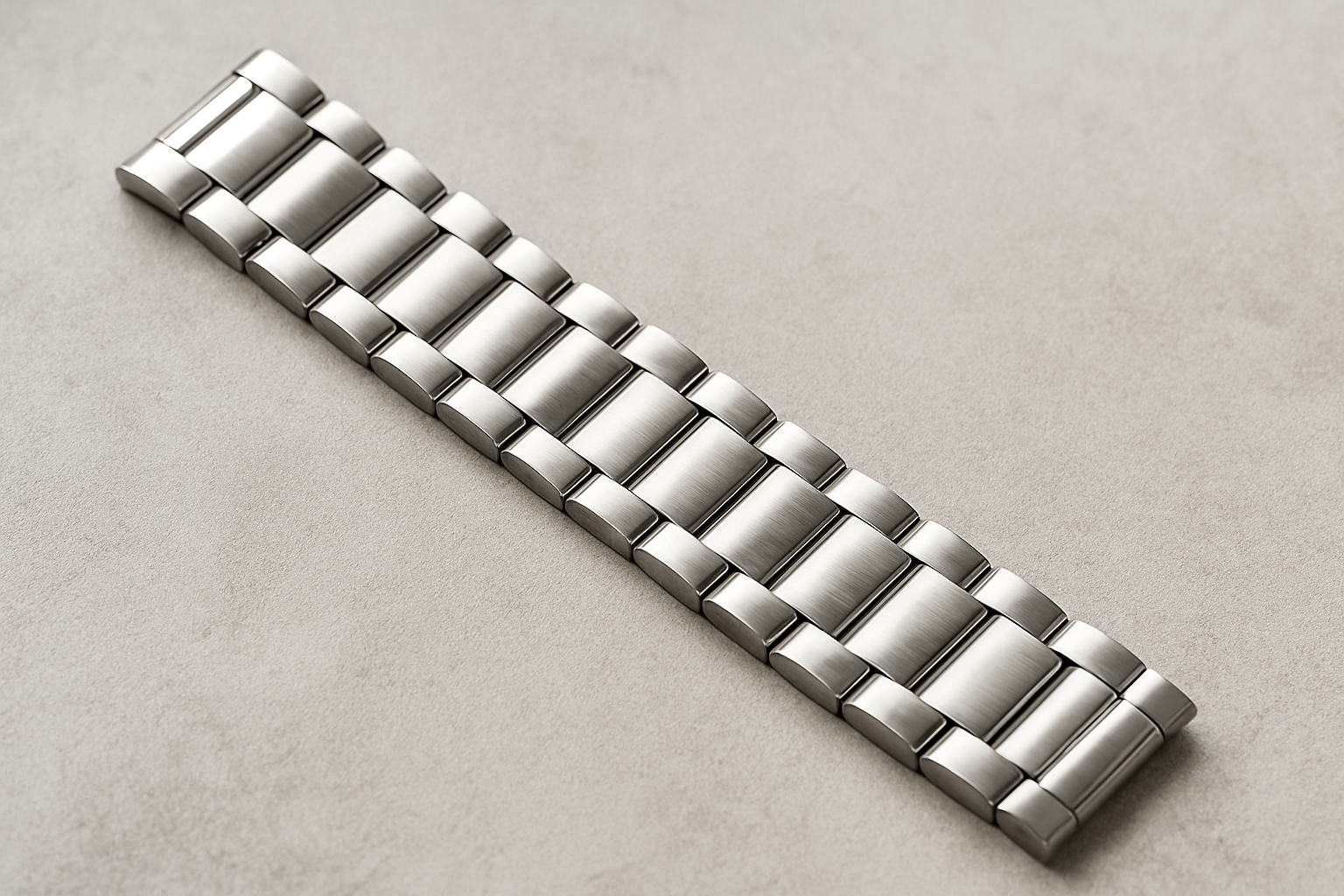
Metal strap
Ultrasonic cleaners rely on a principle called cavitation, in which high-frequency sound waves—usually in the 20 to 40 kHz range—are transmitted through a cleaning solution. These sound waves cause millions of microscopic bubbles to form and implode rapidly. The resulting energy releases shockwaves that can dislodge particles of dirt, oil, and other contaminants from surfaces, especially within small crevices and tight spaces.
The cleaning action is non-mechanical, meaning there’s no brushing or scrubbing involved. This makes ultrasonic cleaning particularly attractive for items with intricate geometries, such as metal watch bands or eyeglass hinges. However, the same forces that remove grime can also pose risks when applied to delicate coatings, adhesives, or electronic seals. Even a short exposure in a high-powered ultrasonic tank can stress tiny welds or displace moisture-resistant gaskets.
Assessing Apple Watch’s Water Resistance
While the Apple Watch is built to withstand daily exposure to moisture—such as during handwashing, workouts, or light rain—it is not impervious to all forms of water intrusion. Its water resistance depends on a carefully calibrated system of seals, adhesives, and pressure-tested enclosures. These components are designed to function reliably under certain conditions but can degrade over time or be compromised by improper maintenance.
Ultrasonic cleaning introduces an entirely different type of challenge. Unlike splashes or immersion in still water, cavitation generates micropressure pulses that can vibrate or destabilize seals, especially along the speaker grilles, digital crown, and charging contacts. If these entry points become even slightly compromised, moisture can reach sensitive internal electronics and lead to performance issues, corrosion, or complete failure. This makes it vital to distinguish between what’s rated for incidental water exposure versus what can endure high-frequency pressure under prolonged ultrasonic action.
What Can You Safely Clean Ultrasonically
Use ultrasonic cleaning only for:
Metal or silicone bands (ensure you remove them first)
Non-electronic accessories like metal charging stands
Once separated from the watch, these parts can safely endure 5–10 minute cycles in diluted cleaning solutions. Avoid cleaning magnetic chargers, leather bands, or any component containing the watch case or electrical parts.
Smart Ultrasonic Tool Use: Considerations
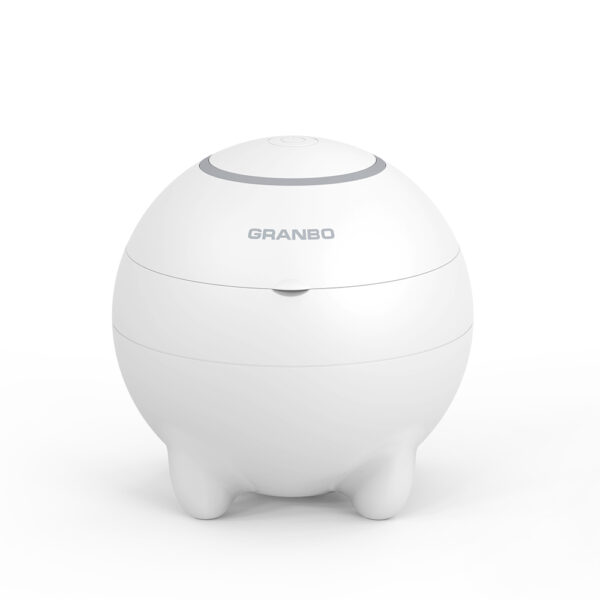
Click to view: UV Ultrasonic Cleaner for Dental Appliances – 360° Deep Clean for Dentures, Jewelry & Household Items, 48kHz Frequency, 3 Modes
When it comes to cleaning accessories like jewelry, retainers, or even metal watch bands, ultrasonic cleaners can be a smart and satisfying investment. But not all devices are created equal—and neither are the objects we put into them. That’s why using a well-designed, user-friendly ultrasonic cleaner makes a significant difference in both cleaning results and safety.
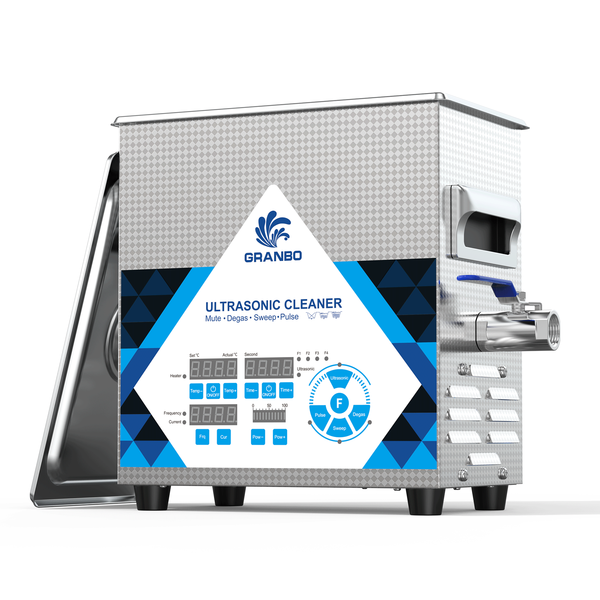
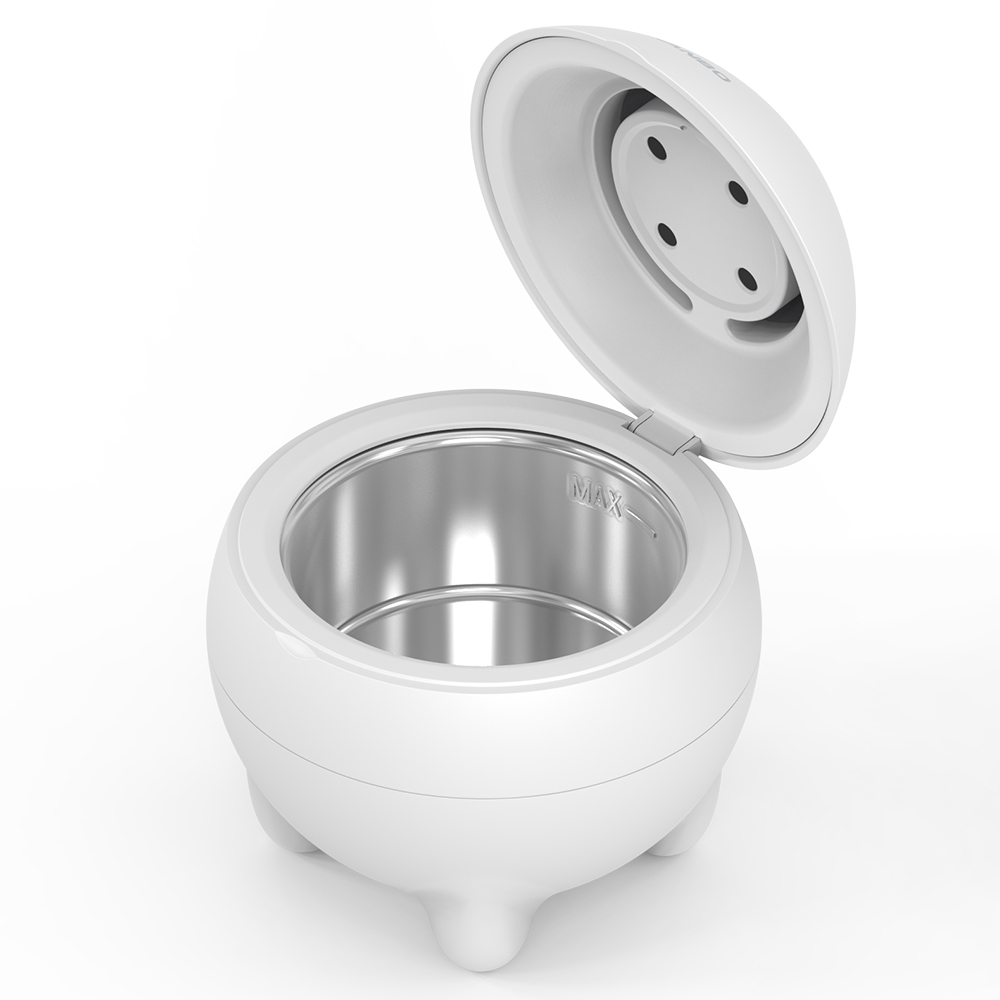
One standout option for home use is the Granbo GC01U, a compact ultrasonic cleaner equipped with a convenient timer and deep-cleaning capabilities tailored primarily for personal care items. Operating at a 48kHz frequency, it penetrates crevices and narrow channels to dislodge debris from aligners, dentures, eyeglasses, and rings. Its 180ml tank provides a practical cleaning space while maintaining a compact footprint that fits easily on a bathroom shelf or countertop.
Although the GC01U is primarily designed for cleaning dentures and dental appliances, it is also an excellent choice for cleaning jewelry, rings, and watch accessories. Its compact design and ultrasonic cleaning performance make it a versatile option for everyday personal items. While it is not intended for use with fully sealed electronic devices like the Apple Watch itself, it can be used to clean removable, non-electronic accessories, including compatible metal or silicone watch bands.
Apple Watch Care Tips Beyond Ultrasonics
For daily maintenance of the Watch case and sensors:
Wipe with a soft, lint-free cloth dampened with fresh water—Apple specifically recommends this method
Use 70% isopropyl alcohol wipes for disinfecting, avoiding bleach
Avoid abrasive brushes or ultrasonic cleaning of the watch body to protect oleophobic coatings and mic openings
Final Word: Clean Smarter, Stay Protected
Ultrasonic cleaning can be a safe and effective method for detachable bands and accessories, delivering a deep clean that hand-wiping simply can’t achieve. However, placing the actual Apple Watch housing into the tank—even briefly—poses risk to internal components, seals, and water resistance. When in doubt, stick to Apple’s guidelines for device care and reserve ultrasonic cycles for non-electronic parts. By pairing caution with convenience, you can keep both your bands and watch looking smart without compromising safety.